


Los Cabos Sets the Stage for Sustainable Tourism Growth
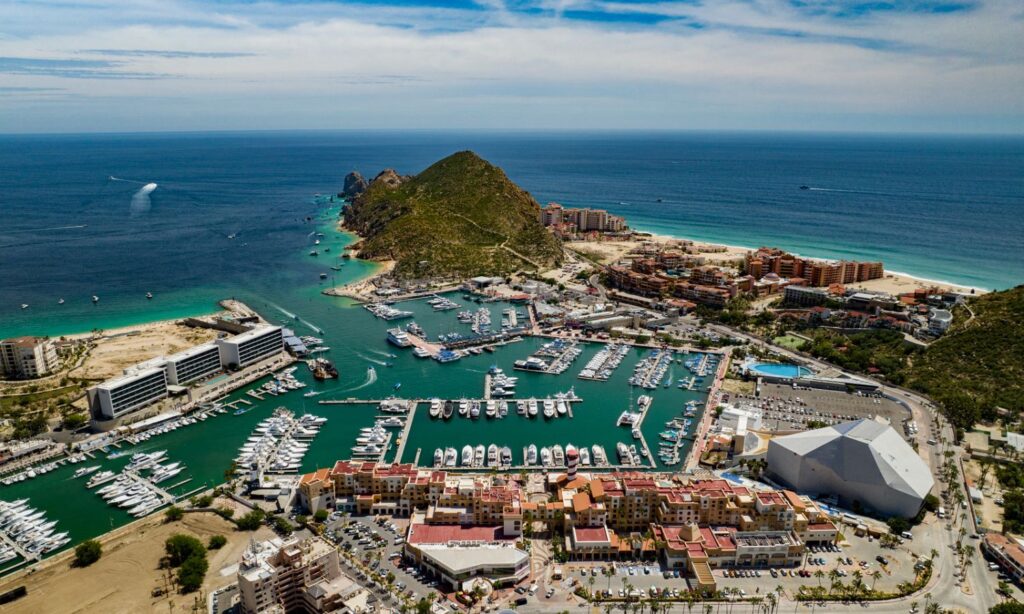
As global tourism rebounds to pre-pandemic levels, Los Cabos tourism growth stands out as a remarkable success story. The region has not only recovered from the pandemic’s impact but has also experienced a 20% increase in visitors compared to 2019, achieving full recovery by 2021. In 2023, Los Cabos is projected to welcome 4.3 million tourists, showcasing a tourism strategy that prioritizes quality experiences over sheer numbers. This approach sets Los Cabos apart as a model for sustainable and responsible tourism growth.
Balancing Expansion with Sustainability
In an era where over tourism is a growing concern, Los Cabos is taking proactive steps to ensure its growth is sustainable. According to Booking.com’s 2023 Sustainable Travel Report, 76% of travelers now prioritize sustainable practices when planning their trips. This shift in traveler preferences has prompted the region to re-evaluate its tourism strategy, focusing on maintaining the quality of the visitor experience rather than simply increasing tourist numbers. To maintain its impressive Los Cabos tourism growth, the region is implementing strategies to manage tourist flow more effectively. This includes promoting off-peak travel periods and developing attractions that distribute visitor traffic more evenly across the region.
Rodrigo Esponda, the director of the Los Cabos Tourism Board, emphasizes the importance of this approach. “Further growth without a focus on quality could be detrimental to the region,” he states. Los Cabos has cultivated a loyal visitor base, with 75% of last year’s visitors choosing the destination without considering alternatives. This loyalty is a significant advantage, but maintaining it requires a delicate balance between growth and sustainability.
To address the challenges of overtourism, Los Cabos is implementing strategies to manage the flow of tourists more effectively. This includes promoting off-peak travel periods and developing attractions that distribute visitor traffic more evenly across the region. By encouraging tourists to explore less frequented areas, Los Cabos aims to alleviate pressure on its most popular sites while providing a more authentic and enriching experience for visitors.
Gastronomy, Culture, and Unique Experiences: Pillars of Los Cabos’ Appeal
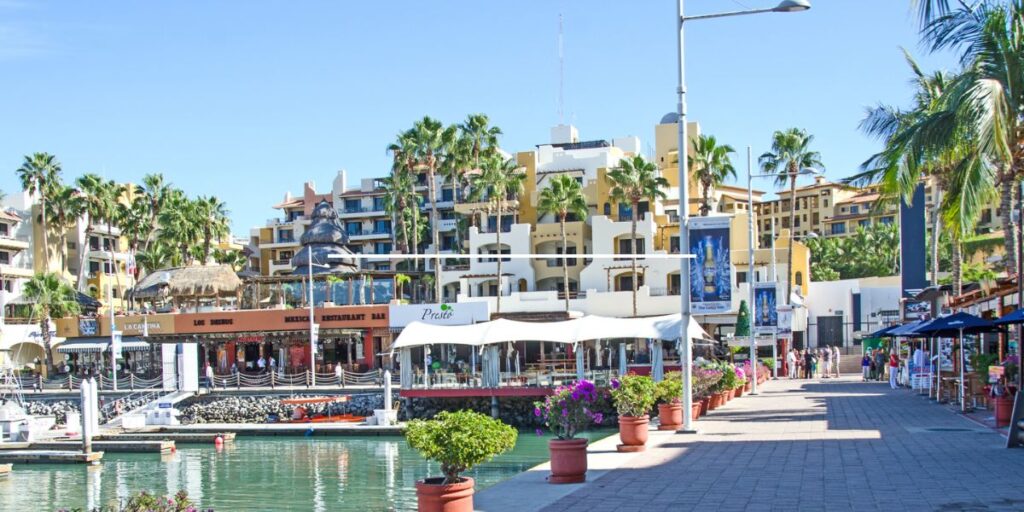
Los Cabos’ tourism appeal is deeply rooted in its rich offerings across gastronomy, arts, and a wide range of experiences. As one of Mexico’s premier farm-to-table destinations, Los Cabos boasts a culinary scene that emphasizes local ingredients and sustainable practices. From fine dining to casual food trucks, the region offers something for every palate, with 13 Michelin recognized restaurants further solidifying its reputation as a top gourmet destination. Key pillars supporting Los Cabos tourism growth include its rich gastronomy and vibrant cultural scene. The local culinary scene is not just about dining; it’s about storytelling.
In addition to its gastronomic offerings, Los Cabos is a cultural hub, with events like the Art Walk in downtown San Jose playing a crucial role in its tourism strategy. Held every Thursday evening from November to June, this event allows visitors to explore galleries and interact with artists from diverse backgrounds and with varying styles, adding a rich, innovative dimension to the local art scene. The Art Walk is more than just an event; it is a celebration of the region’s cultural diversity and creativity, offering tourists an immersive experience that goes beyond traditional sightseeing.
Los Cabos offers a wide array of attractions for nature and adventure enthusiasts, with its amazing beaches in Cabo San Lucas being a highlight. These beaches are home to some of the most biodiverse marine ecosystems in the world, providing unparalleled opportunities for snorkeling, diving, and whale watching. Additionally, Los Cabos is actively promoting eco-friendly and adventure tourism, with activities like hiking, bird watching, and sustainable fishing trips becoming increasingly popular. These experiences not only showcase the region’s natural beauty but also educate visitors on conservation efforts.
Sustainable Growth and Strategic Development
Managing the influx of approximately 4 million tourists annually requires careful and strategic planning. Los Cabos is committed to sustainable growth, with policies in place to control the scale and pace of new developments. Currently, the destination has 18,000 hotel rooms, with plans to add only 700 more by 2024. This cautious approach ensures that new projects are sustainable and geared towards longer-term stays, rather than quick, unsustainable gains. Sustainable development is crucial for the continued Los Cabos tourism growth, with careful planning of new projects.
Los Cabos is also focusing on diversifying its accommodation offerings to cater to a broader range of travelers. Several new developments are on the horizon, including the highly anticipated SoHo House & Beach Club, St. Regis Los Cabos at Quiver, and Park Hyatt Los Cabos. These projects, which have been years in the making, reflect a long-term investment strategy that includes not just hotels but also villas, condos, and branded residences. By offering a variety of accommodation options, Los Cabos can attract different types of travelers, from luxury seekers to eco-conscious visitors, while maintaining its commitment to sustainability.
Moreover, the destination is investing in infrastructure improvements to support its growing tourism industry. This includes upgrading the Los Cabos International Airport, enhancing road connectivity, and expanding public transportation options. These initiatives are designed to improve the overall visitor experience while minimizing the environmental impact of tourism-related activities.
Supporting the Local Community
Tourism is the lifeblood of Los Cabos, driving the local economy and providing employment for a significant portion of the population. The region boasts one of the lowest poverty rates in Mexico, a testament to the formal employment opportunities and training provided to its residents. However, the rapid growth in tourism has also highlighted the need for improved housing and education for the local community, many of whom rely heavily on tourism for their livelihoods.
In response, Los Cabos is focusing on community development initiatives that ensure the benefits of tourism are shared more equitably. This includes investing in affordable housing projects for tourism workers, expanding educational opportunities, and providing training programs that equip locals with the skills needed to thrive in the tourism industry. By prioritizing the well-being of its residents, Los Cabos is creating a more resilient and sustainable tourism model that benefits both visitors and locals alike.
Esponda highlights the importance of these support systems, which ensure that workers in Los Cabos have access to the necessary training and resources. These efforts are crucial not only for the sustainability of the tourism industry but also for the long-term prosperity of the region. By fostering a well-trained and motivated workforce, Los Cabos is positioning itself as a leader in sustainable tourism development, setting a benchmark for other destinations to follow.
Conclusion
Los Cabos has successfully positioned itself as a leader in sustainable tourism by balancing its impressive growth with a strong commitment to environmental and community well-being. As it continues to attract millions of visitors each year, the region’s strategic focus on enhancing the quality of the tourist experience, preserving cultural and natural resources, and supporting the local community ensures that its tourism industry remains robust and resilient. By focusing on long-term sustainability instead of short-term gains, Los Cabos tourism growth is establishing a new benchmark for responsible tourism that serves as an example for other destinations.

